- Free Local Instore Pickup
- Track Your Order
- Welcome to Generator Superstore. We Provide Best Generator item
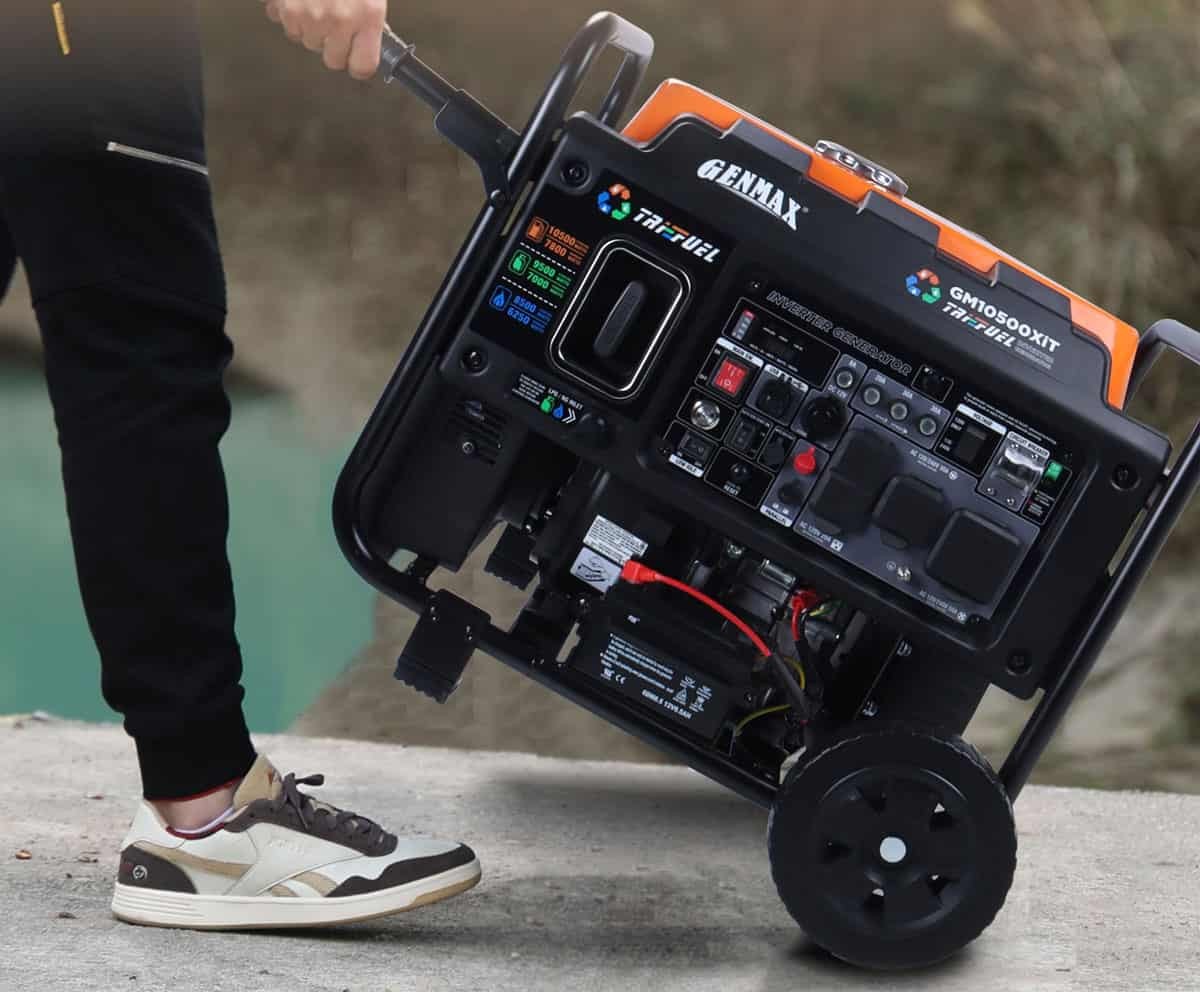
Summary: The blog compares tri-fuel and dual-fuel generators based on real usage, fuel flexibility, runtime support, and cost balance. It explains how tri-fuel systems reduce fuel risk, improve backup reliability, and support longer outages. It also shows how user needs, fuel access, and daily usage decide real value, helping readers choose the right generator for home and emergency power needs.
The best Genmax tri fuel systems are often compared with dual-fuel generators, but most comparisons miss the real idea. The main point is not only how many fuels a generator can use, but how useful those fuel options are during real power cuts, long backup hours, and times when fuel is hard to find. Many people think fuel will always be easy to get. In real use, this is not always true. Power cuts can last longer than expected, and fuel may not be available nearby. This is where tri-fuel systems can feel more useful than dual-fuel systems because they give more choice when things do not go as planned.
Dual fuel generators use two fuel types. This works well when both fuels are easy to get. But during long outages or busy times, one fuel may run out faster or become hard to buy.
Tri-fuel systems add one more fuel option. This extra choice helps users keep power running even if one or two fuel types are not available. It gives more freedom during emergency use, so the generator does not stop easily due to fuel shortage.
This becomes helpful in real life, especially during long power cuts or travel use, where fuel supply is not always steady. It also reduces pressure on the user because they do not need to worry too much about finding one specific fuel type during urgent situations.
A generator is not only about starting power. It is also about how long it can keep running.
Dual fuel systems depend on two fuel choices. If one fuel becomes costly or not available, options become limited. This can affect how long the generator can keep working.
Tri-fuel systems give more control because users can pick from three fuel types. This helps keep the generator running longer based on what fuel is available at that time. It makes planning easier during long backup needs.
This also helps during nighttime outages, where stopping the generator is not a good option. Having more fuel choices means fewer breaks in the power supply, which keeps daily life more stable.
Both dual-fuel and tri-fuel generators can support the same home devices like fridges, lights, fans, and charging points. So, power strength is not the main difference.
The main difference is what happens during long use. If fuel runs out, tri-fuel systems give another option to continue running. This reduces the chance of a sudden shutdown during important use.
Dual fuel systems still work well, but they have fewer backup choices when fuel supply becomes a problem. This is why users who face longer outages often prefer systems with more fuel flexibility, even if power output looks similar on paper.
Many buyers compare only the price of the generator. That is not the full picture.
Dual-fuel generators usually cost less at the start. But over time, fuel cost and fuel availability can change how much money is spent during use.
Tri-fuel generators may cost more at the beginning, but they allow users to choose cheaper or more available fuel at different times. This can help reduce running costs in long-use situations.
So, the real value depends on how often the generator is used and how fuel is managed over time. A system that gives more choice can help users avoid spending extra money during fuel shortages or price changes.
Generators are most important during power failures, not on normal days.
Dual fuel systems are reliable, but they depend on fewer fuel options. If both fuels become hard to find, usage becomes limited.
Tri-fuel systems reduce this problem by adding one more fuel choice. This gives extra support during long outages where fuel access is not predictable.
This extra option can make a big difference in real emergency use. It helps users stay calm because they know there is another backup option if one fuel type cannot be used.
Some people think more fuel options mean more difficulty. That is not true in modern designs.
Both dual-fuel and tri-fuel systems have similar care and maintenance needs. The main difference is learning how to switch fuel types, not extra repair work.
So users do not face much extra effort just because the system has more fuel options. Basic care, like checking oil, cleaning filters, and proper storage, remains almost the same for both types.
Tri-fuel systems give better value when fuel choice, long runtime, and backup safety matter more. Dual fuel systems give value when use is simple, and fuel supply is stable. There is no single answer for everyone. The right choice depends on real-life use, not just product features. At Generator Superstore, we help users choose based on real power needs, not just numbers on paper. Our goal is to match each customer with the right system for their home or work setup. For people searching for a Genmax tri-fuel generator, the key idea is simple: more fuel choices help reduce risk when the power supply is uncertain and backup power is needed for a longer time.
Before choosing between dual fuel and tri fuel systems, think about how long you may need backup power, how easy fuel is to get in your area, and how important nonstop electricity is for your daily life. The right generator is the one that keeps your power steady when you need it most.
1. What is the main difference between dual-fuel and tri-fuel generators?
Dual fuel uses two fuel types, while tri fuel adds one more option. This gives more flexibility during fuel shortages or long power cuts, improving backup reliability in real situations.
2. Is a tri-fuel generator better for long power cuts?
Yes, tri-fuel generators are more helpful during long outages because they offer extra fuel options, helping users keep power running even if one fuel becomes unavailable.
3. Does tri-fuel improve generator performance?
Performance stays similar in output, but tri-fuel improves usage flexibility. It allows smoother operation during fuel changes and helps maintain longer runtime without interruption.
4. Are dual-fuel generators still useful today?
Yes, dual-fuel generators work well for short or medium backup needs where fuel supply is stable and long runtime flexibility is not required.
5. Does a more fuel type mean harder maintenance?
No, maintenance remains simple. Both systems need similar care, like oil checks and cleaning. Fuel switching is the main difference, not repair complexity.
 English

